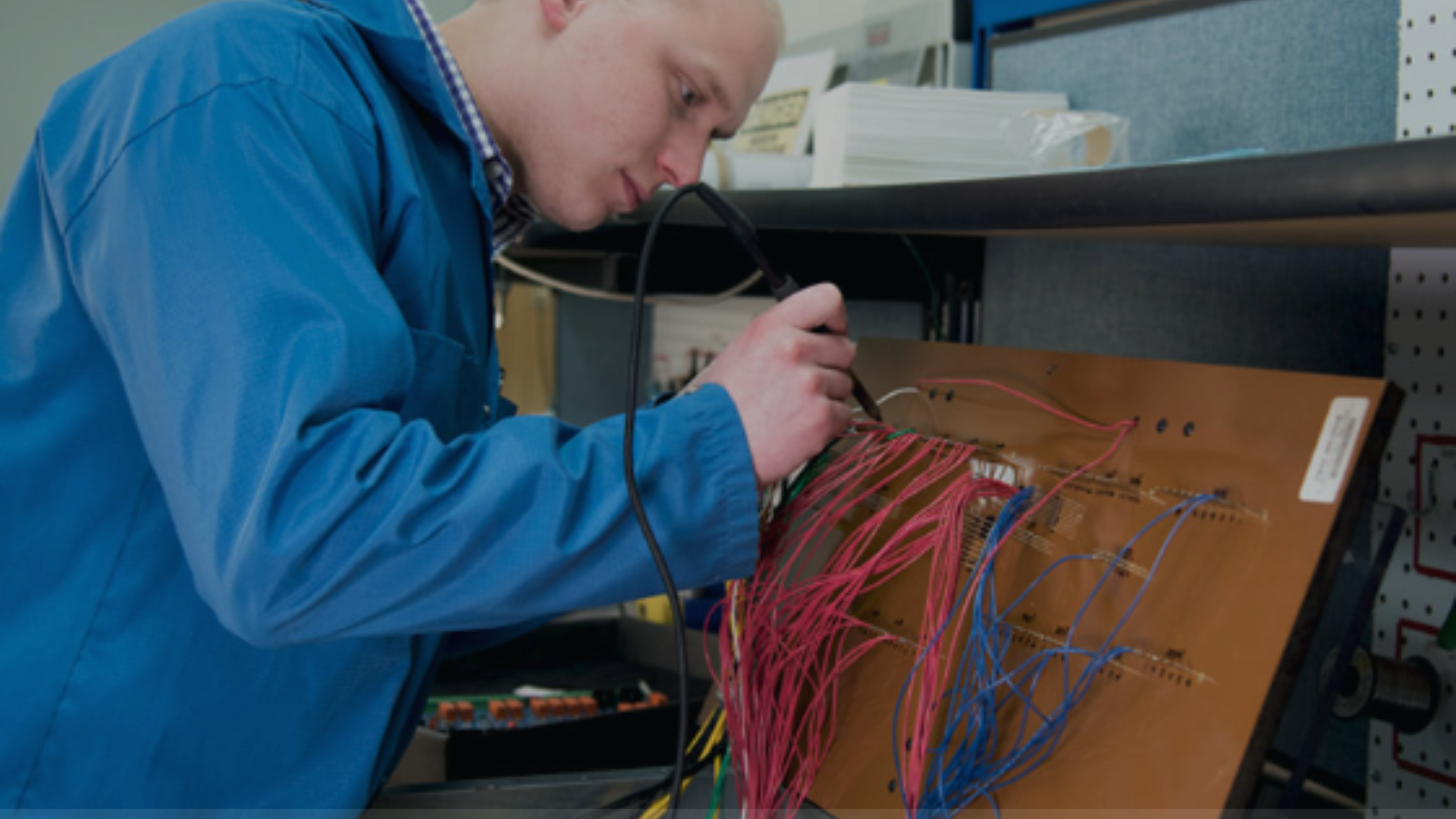
A working prototype is an important milestone, but it is not the same as a production-ready product. Before the handoff, teams must prove that the design can be built, tested, supported, and repeated without depending on tribal knowledge.
A prototype that powers on, communicates, or performs its intended function represents real progress.
It proves that the underlying idea can work.
But production asks a different set of questions.
Can the product be built consistently? Are the components available and supportable? Is the documentation complete? Can every unit be programmed and tested the same way? Are unresolved design decisions still being managed through emails, handwritten notes, or the memory of the people closest to the project?
Those questions define the difference between a successful prototype and a successful production handoff.
A strong prototype program should reduce uncertainty with every build. It should reveal which assumptions were correct, which risks remain, and what must change before the design is released more broadly.
Before moving into production, teams should understand:
• Whether the assembly process is repeatable
• Whether component availability supports the expected lifecycle
• Whether approved alternates have been considered
• Whether programming and test requirements are clearly defined
• Whether the BOM, drawings, and manufacturing files agree
• Whether known deviations and rework instructions have been resolved
• Whether the next manufacturer can execute without reconstructing the product’s history
The handoff is especially vulnerable when a prototype succeeds because a few experienced people know how to make it work.
They may know which file is current, which component was changed, which jumper was added, or which firmware revision should be loaded. That knowledge can carry a prototype build. It cannot reliably carry production.
Production needs controlled information, clear acceptance criteria, and an executable manufacturing package.
The goal is not to eliminate every possible question before production begins. The goal is to make the remaining questions visible, assign ownership, and prevent unresolved assumptions from becoming production emergencies.
At SMT, we view prototype work as part of the production path—not as an isolated quick-turn service. The value of the prototype is not limited to the working assembly. It also includes the knowledge created during the build and how effectively that knowledge is carried forward.
A prototype proves that the product can work.
A disciplined handoff proves that the organization is ready to build it again.
Preparing to move an electronic product from prototype to production? Review SMT's new product introduction services, rapid prototyping capabilities, and contact SMT to discuss production transfer.